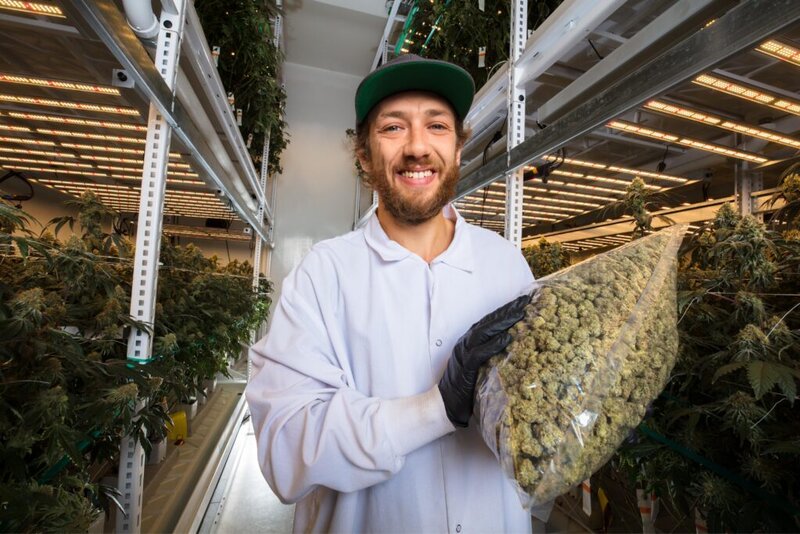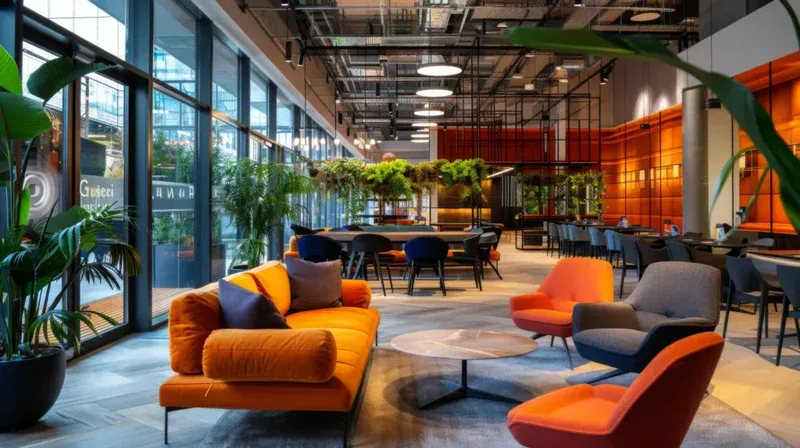
Most cannabis operators know how to manage a workforce inside a dispensary. You hire budtenders, maintain compliance, train employees on products and regulations, and focus on creating a positive customer experience during the transaction.
A social consumption lounge is something entirely different.
The moment guests begin consuming cannabis on-site, operators move beyond retail and step into the world of hospitality. Employees are no longer simply processing purchases. They’re guiding guest experiences, monitoring consumption environments, responding to incidents, enforcing policies, and helping create a safe and welcoming atmosphere.
As more states and municipalities explore cannabis hospitality models, social consumption lounges are emerging as one of the industry’s most exciting growth opportunities. They’re creating destinations for cannabis tourism, community engagement, and curated guest experiences. But they’re also introducing workforce challenges that many operators underestimate.
Success in cannabis hospitality isn’t just about creating a great space. It’s about building, training, and supporting a team that can deliver exceptional experiences while navigating complex compliance and safety responsibilities.
Why Are Social Consumption Lounges Different from Traditional Cannabis Businesses?
A social consumption lounge sits at the intersection of cannabis, hospitality, entertainment, and customer service.
Unlike traditional retail operations, employees remain customer-facing throughout a guest’s visit. Rather than completing a transaction and moving on to the next customer, staff members often spend extended periods interacting with guests, monitoring experiences, answering questions, and addressing concerns.
This shift creates new workforce expectations.
Guests expect hospitality-level service. Operators must manage customer experiences in real time. Employees need stronger communication skills, greater situational awareness, and more advanced conflict-resolution capabilities than many traditional cannabis roles require.
At the same time, regulators often place additional scrutiny on cannabis consumption lounges because on-site consumption introduces unique operational risks. Operators must be prepared to address safety concerns, document incidents, maintain compliance standards, and demonstrate that employees are properly trained.
Ultimately, running a successful social consumption lounge comes down to people. The quality of the guest experience depends on the employees delivering it.
What Training Do Employees Need in a Social Consumption Lounge?
In the hospitality industry, consistency is everything. Guests expect every interaction, every visit, and every experience to reflect the business’s brand standards.
That makes employee training a critical investment.
Customer Service and Guest Experience Training
Employees in a cannabis consumption lounge often act as hosts, educators, and customer service representatives all at once.
Training programs should cover:
- Hospitality-focused service standards
- Professional communication techniques
- Guest engagement best practices
- De-escalation and conflict management
- Brand representation expectations
- Managing difficult guest interactions
Employees should know not only what they can say, but how they should communicate with guests in different situations. Creating memorable experiences requires more than knowledge. It requires confidence and consistency.
Cannabis Knowledge Training
Guests often look to staff for guidance.
Employees should understand:
- Product categories and consumption methods
- Responsible consumption principles
- Expected effects and timing considerations
- State and local regulatory requirements
- Restrictions regarding recommendations or educational discussions
The goal isn’t simply product education. It’s helping employees support informed, responsible guest experiences while staying compliant with applicable regulations.
Incident Response Procedures
Every lounge should prepare employees for situations that may require intervention.
Examples include:
- Impairment concerns
- Guest disputes
- Medical events
- Security issues
- Emergency evacuations
- Regulatory incidents
Staff members should understand escalation procedures, reporting expectations, and documentation requirements before an incident occurs.
Well-designed onboarding and training programs help operators create consistency while demonstrating workforce preparedness. Having documented training procedures can also support compliance efforts and risk management initiatives.
How Do Workplace Safety Risks Change in a Consumption Environment?
Workplace safety takes on a new dimension when employees work within active consumption environments.
While every workplace presents risks, a social consumption lounge introduces operational considerations that may not exist in a traditional dispensary setting.
Common areas of concern include:
- Exposure to secondhand smoke or vapor
- Environmental health considerations
- Crowded or high-traffic spaces
- Slip, trip, and fall hazards
- Security-related incidents
- Emergency response situations
These risks affect both guests and employees.
A comprehensive workplace safety strategy should include clearly defined policies, documented training procedures, and consistent incident reporting practices. Employees should know how to identify hazards, respond appropriately, and escalate concerns when necessary.
Operators should also ensure that safety expectations are integrated into key workforce documents, including:
- Employee handbooks
- New hire onboarding programs
- Workplace safety training
- Incident reporting protocols
- Workers’ compensation administration
When safety becomes part of company culture, employees are better equipped to respond effectively and minimize risk.
Why Are Employee Handbooks More Important for Consumption Lounges?
In a highly regulated industry, policies matter.
In cannabis hospitality, they’re essential.
An employee handbook serves as the foundation for workforce expectations and organizational consistency. It helps employees understand what is expected of them while providing documentation that supports compliance and risk management efforts.
Clear Expectations for Staff Conduct
Consumption lounge operators should establish clear expectations around:
- Professional workplace behavior
- Guest interactions
- Appearance and dress standards
- Compliance responsibilities
- Workplace safety requirements
- Confidentiality and security obligations
Employees should never be left guessing about expectations, particularly in customer-facing roles.
Incident Documentation Standards
When incidents occur, documentation becomes critical.
Policies should clearly explain:
- What situations require reporting
- Documentation timelines
- Escalation procedures
- Investigation workflows
- Record retention expectations
Consistent reporting practices can help operators identify patterns, address emerging risks, and demonstrate operational accountability.
Safety and Compliance Policies
An effective handbook should also address:
- Workplace safety requirements
- Harassment prevention policies
- Security procedures
- Wage and hour compliance expectations
- Regulatory compliance obligations
As cannabis regulations evolve, operators should regularly review and update policies to ensure they remain accurate and aligned with current requirements.
How Can Operators Reduce Workers’ Compensation Risks?
Workers’ compensation claims can occur in virtually any workplace, but cannabis hospitality environments introduce additional exposures that deserve attention.
Common claim scenarios may include:
- Guest-related incidents
- Slip-and-fall accidents
- Repetitive strain injuries
- Security-related events
- Workplace exposure concerns
While not every incident can be prevented, operators can significantly reduce risk through proactive workforce management.
Best practices include:
- Structured onboarding programs
- Ongoing safety training
- Clear reporting procedures
- Consistent incident documentation
- Supervisor accountability
- Return-to-work processes
The sooner an organization identifies and addresses safety issues, the better positioned it is to reduce claim frequency and associated costs.
A strong workers’ compensation strategy should be viewed as part of a broader risk management program rather than a stand-alone function.
What Compliance Challenges Are Unique to Social Consumption Lounges?
Perhaps the biggest challenge facing social consumption lounges is that the regulatory landscape continues to evolve.
Many markets are still developing frameworks for cannabis hospitality businesses, creating uncertainty for operators trying to scale responsibly.
Evolving State and Local Regulations
Rules vary significantly by jurisdiction.
Operators may encounter differences in:
- Licensing requirements
- Employee training mandates
- Permitted consumption activities
- Security expectations
- Recordkeeping obligations
- Operational restrictions
As new consumption lounge models emerge, staying informed becomes an ongoing responsibility.
Labor Compliance Considerations
Beyond cannabis regulations, employers must also comply with employment laws. Important considerations may include:
- Wage and hour requirements
- Scheduling practices
- Meal and rest break regulations
- Employee classification rules
- Required certifications
- Training documentation requirements
Labor compliance issues can create significant exposure if overlooked.
Documentation and Recordkeeping
Documentation acts as a business’s first line of defense during audits, investigations, and compliance reviews.
Operators should maintain organized records related to:
- Employee files
- Training completion records
- Policy acknowledgments
- Incident reports
- Safety documentation
- Compliance certifications
Strong documentation practices help demonstrate accountability while supporting day-to-day operations.
How Can Better Benefits Help Social Consumption Lounges Retain Employees?
Like many hospitality-related businesses, social consumption lounges often compete for experienced customer-facing talent.
And retaining great employees matters.
High turnover increases recruiting costs, disrupts operations, and creates inconsistencies in the guest experience. Every time an experienced employee leaves, institutional knowledge walks out the door with them.
Offering competitive benefits can play an important role in employee retention strategies.
Potential offerings may include:
- Medical insurance
- Dental coverage
- Vision benefits
- Retirement savings programs
- Employee assistance resources
- Wellness initiatives
- Financial education programs
Employees increasingly evaluate the total employment experience, not just wages.
For operators looking to build stable teams and reduce turnover, benefits can become a meaningful differentiator in a competitive labor market.
What Should Operators Look for in an HR Partner?
Not every HR provider understands the realities of operating within the cannabis industry.
When evaluating support partners, look for organizations that offer:
✅ Cannabis-specific HR expertise
✅ Employee onboarding and training support
✅ Workers’ compensation guidance
✅ Employee handbook development
✅ Benefits administration
✅ Labor compliance expertise
✅ Risk management support
✅ Experience serving regulated cannabis businesses
The right partner should understand both the people challenges and compliance complexities unique to cannabis hospitality environments.
Why Cannabis Hospitality Businesses Choose Canopy HR
Launching or operating a social consumption lounge requires more than a strong business concept. It requires HR infrastructure designed specifically for the cannabis industry.
Canopy HR was built with cannabis operators in mind.
Our team understands the workforce realities facing dispensaries, cultivators, manufacturers, and emerging cannabis hospitality businesses. We help operators reduce administrative burdens while strengthening compliance, onboarding, workforce development, and risk management efforts.
Through a comprehensive suite of services, Canopy HR supports businesses with:
- Cannabis-focused HR solutions
- Employee onboarding programs
- Workforce training support
- Payroll administration
- Workers’ compensation guidance
- Compliance resources
- Employee benefits solutions
- Policy and handbook development
As regulations continue to evolve, operators need partners who understand the industry and can help them navigate changing requirements with confidence.
Building a Strong Workforce for Cannabis Hospitality
Social consumption lounges represent one of the most innovative and fastest-evolving segments of the cannabis industry.
But creating a memorable guest experience requires more than a welcoming space and quality products. It requires a workforce strategy built for the unique realities of cannabis hospitality.
Operators that invest in employee onboarding, training, workplace safety, compliance, benefits, and HR infrastructure are better positioned to reduce risk, support their employees, and build sustainable long-term growth.
As the social consumption lounge market continues to mature, businesses that prioritize their people will be the ones best equipped to deliver exceptional guest experiences and thrive in an increasingly competitive landscape.
Talk to a Cannabis HR Specialist
Whether you’re planning your first social consumption lounge or expanding an existing cannabis hospitality operation, Canopy HR can help you build the workforce foundation needed to support growth, compliance, and employee success. Contact our team today to learn more.